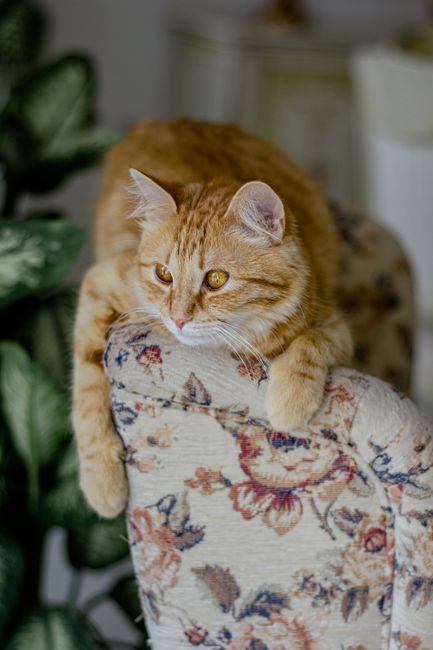
Broadfields Estate upholstery cleaning for pet stains: a practical guide for cleaner, fresher furniture
If you live with pets, you already know the pattern: a sofa looks fine one minute, then there's a damp patch, an odour, or a stain that seems to have arrived out of nowhere. Broadfields Estate upholstery cleaning for pet stains is about dealing with that problem properly, not just masking it for a day or two. The right approach protects fabric, lifts residue, reduces smells, and helps your furniture last longer. And to be fair, once a pet stain has settled into upholstery, a quick wipe is usually nowhere near enough.
This guide explains how pet stain upholstery cleaning works, which fabrics need extra care, what to avoid, and when it makes sense to call in a professional. You'll also find a simple checklist, a comparison of cleaning methods, and a few real-world pointers that can save a lot of hassle later.
Why Broadfields Estate upholstery cleaning for pet stains Matters
Pet stains are not just cosmetic. Urine, vomit, saliva, and muddy paw marks can seep into the top layers of fabric and padding, where they begin to affect smell, texture, and appearance. If the stain is left alone, the fabric can end up looking "clean" on the surface while still holding on to odour underneath. That's the part people notice later, usually when the room warms up or the heating comes on. Not ideal.
In a place like Broadfields Estate, where family homes, busy routines, and pets often all overlap, upholstery gets used hard. Sofas, armchairs, dining chairs, ottomans, and even headboards can take a beating. Pet stain cleaning matters because it helps preserve the furniture you already own instead of forcing an early replacement. That's good for comfort, but also for value.
There's another reason it matters: different stains behave differently. A muddy print on a cotton blend is one thing. A urine mark on a wool-rich cushion is another. The wrong cleaner can spread the stain, push it deeper, or damage dyes. Once that happens, the repair job becomes more complicated and more expensive. So yes, it's worth treating this properly from the start.
For a broader look at fabric care and professional treatment options, it can help to understand how upholstery cleaning fits into a full home-cleaning routine. Pet stains are just one part of the picture, but they're often the part that causes the most stress.
How Broadfields Estate upholstery cleaning for pet stains Works
Good upholstery cleaning for pet stains usually follows a careful process rather than a single product-and-wipe approach. The aim is simple: remove visible staining, neutralise odour, and do it without damaging the fabric or leaving a sticky residue that attracts more dirt.
First, the cleaner identifies the fabric type. That matters more than most people think. A synthetic sofa cover will usually tolerate a different treatment than a delicate natural fibre, and a removable cover behaves differently from a fixed upholstered frame. The stain itself is also assessed. Fresh urine is easier to treat than dried urine. Vomit may contain fats and food pigments. Pet accidents on textured fabric can settle into seams and piping. All of that changes the method.
Next comes pre-treatment. In practical terms, this means loosening the soil and helping the stain release from the fibres. Professionals often work with controlled amounts of specialised solution rather than soaking the area. That restraint is important. Too much liquid can spread the mark, saturate the padding, or slow the drying time enough to create a new smell problem. No one wants a damp sofa lingering like a forgotten towel in the utility room.
Then comes extraction or controlled agitation. Depending on the material and the condition of the stain, this may involve blotting, spot treatment, low-moisture cleaning, or deeper hot-water extraction where suitable. Not every upholstery item should be deep-cleaned in the same way, and that's exactly why experience matters.
Finally, the fabric is checked for remaining odour, ring marks, colour change, and moisture retention. If needed, the process is repeated in a targeted way. The best results usually come from measured, careful work rather than brute force.
Key Benefits and Practical Advantages
Broadfields Estate upholstery cleaning for pet stains offers more than a nice-looking sofa. The practical gains are real, especially if your home is busy and your furniture is part of daily life rather than something you protect with a sheet and hope for the best.
- Odour reduction: Pet smells often come from residue trapped beneath the visible surface. Proper cleaning tackles that build-up.
- Better appearance: Stains, water rings, and dull patches can be reduced or removed, depending on the age and type of mark.
- Fabric protection: Using the right method helps avoid fibre damage, dye loss, or flattening.
- Longer furniture life: Regular professional care slows wear and helps prevent stains from becoming permanent.
- Healthier-feeling rooms: Removing pet residue and trapped dirt can make a room feel fresher, especially in soft-furnished spaces.
There is also a convenience benefit that people often underestimate. Once a pet stain has spread, trying three different home remedies can eat up an entire afternoon. The furniture may end up wetter, not cleaner. A proper clean is usually less disruptive in the long run.
If you're balancing multiple home tasks at once, it can help to think of upholstery cleaning as part of a wider domestic reset. Services like domestic cleaning or a more focused deep cleaning can complement upholstery care when you want the whole room to feel fresh again.
Who This Is For and When It Makes Sense
This type of cleaning is useful for a lot of households, not just the ones with a new puppy or a cat that occasionally behaves like a tiny vandal. If you've got pets and upholstered furniture, chances are you'll need it at some point.
It makes sense if:
- your sofa has fresh or lingering pet urine stains
- your armchair smells a bit off even after surface cleaning
- your pet has had an accident on a cushion, chaise, or fabric headboard
- you're preparing for guests, a move, or a property inspection
- you want to restore furniture rather than replacing it
It also makes sense if the item is sentimental or expensive. We've all seen a perfectly decent sofa nearly written off because one hidden stain kept getting worse. Truth be told, people often wait too long because they assume a professional clean is only for visibly ruined items. It isn't. In many cases, early intervention is what saves the furniture.
Broadfields Estate households with children and pets often need a sensible, no-drama approach: clean the accident, protect the fabric, and get on with life. That's a realistic goal, not a luxury one.
Step-by-Step Guidance
If you're dealing with a pet stain now, the first few minutes matter. The following steps are a sensible guide for handling upholstery safely before, during, and after cleaning.
- Act quickly, but calmly. Blot fresh liquid with a clean, absorbent cloth. Don't rub. Rubbing pushes the stain deeper.
- Identify the fabric if you can. Check care labels, cushion tags, or manufacturer notes. If the item is delicate, stop and think before using any liquid cleaner.
- Test any product in a hidden area. A small patch test helps reduce the risk of colour loss or fibre distortion.
- Use the right amount of moisture. Light blotting and controlled application are safer than soaking. Over-wetting is a common mistake.
- Treat the source as well as the surface. Pet stains often leave odour in the padding, not just the visible top layer.
- Extract carefully. Remove residue without scrubbing aggressively. Gentle work is usually more effective on upholstery than people expect.
- Dry properly. Improve airflow, open windows if practical, and avoid heavy use until the fabric is dry through.
- Reassess after drying. Some stains look lighter while wet and reappear later. That's normal enough, unfortunately.
If the stain is old, large, or has soaked into the cushioning, a specialist method is usually the better option. In those cases, the difference between a decent result and a disappointing one is often just technique.
Expert Tips for Better Results
Here's the thing: pet stains are easier to manage when you stop them becoming a full upholstery problem. A few small habits go a long way.
- Keep absorbent cloths nearby. The faster you blot, the less likely the stain is to settle.
- Do not steam-clean as a first response. Heat can set certain organic stains and odours. That's a hard lesson people only want to learn once.
- Use fabric-safe products only. Strong household cleaners can strip colour or leave residue that attracts dirt.
- Pay attention to seams and piping. These areas trap moisture and are often where smells linger.
- Check cushions on both sides. A stain can migrate through the fabric, especially on lighter upholstery.
- Improve ventilation after cleaning. A dry room helps stop that damp, slightly sour smell from hanging around.
One small but useful observation from real jobs: the room can smell fine straight after cleaning and then reveal the problem again the next morning. Why? Because deeper residue only becomes noticeable once the fabric warms up or fully dries. So don't judge the result too quickly. Give it time.
If you want to plan the work properly, you may also want to look at pricing and quotes so you can compare the cost of spot treatment versus cleaning several items together. Sometimes doing the sofa, chair, and rug in one visit makes more sense than treating them one by one.
Common Mistakes to Avoid
Most upholstery damage doesn't come from pets. It comes from well-meaning attempts to fix the mess too quickly. That's the awkward truth.
- Scrubbing hard: This spreads the stain and can rough up the fibres.
- Soaking the fabric: Too much liquid may push contamination into the cushion fill.
- Using bleach or harsh detergents: These can remove dye or leave patchy marks.
- Ignoring the padding: A visible stain may be small while the odour source is much larger underneath.
- Covering the stain before it is dry: This traps moisture and can make smell return.
- Assuming all fabrics react the same way: They really, really don't.
Another common mistake is waiting until a house clean or end-of-tenancy clean to deal with it. That can work, but if the stain is active and still odorous, it may be better to address it sooner rather than leaving the problem to ferment in the meantime. Nobody wants a sofa with opinions.
Tools, Resources and Recommendations
You do not need a van full of equipment to deal with a pet stain properly, but the right tools help. For home use, keep things simple and fabric-aware.
| Tool or resource | Why it helps | Best use |
|---|---|---|
| Microfibre cloths | Absorb liquid without rough scrubbing | Fresh stains and blotting |
| Soft upholstery brush | Helps lift soil without damaging fibres | Light agitation before cleaning |
| Fabric-safe stain remover | Treats marks without excessive harshness | Spot testing and pre-treatment |
| Wet/dry extraction equipment | Removes loosened residue and excess moisture | Professional-level deep cleaning |
| Ventilation and airflow | Supports faster drying | After any wet cleaning |
If you are comparing options for a wider clean around the home, it can help to look at related services such as sofa cleaning for larger fabric pieces or rug cleaning if pets have also marked floor textiles. That way the whole room feels consistent, not half-done.
For households that want a broader refresh, a good cleaning company should be able to explain fabric-safe methods clearly, not hide behind vague promises. Clear answers are usually a good sign.
Law, Compliance, Standards, or Best Practice
For domestic upholstery cleaning, the main concerns are usually safety, product suitability, and care with household fabrics rather than complex legal obligations. Still, there are sensible standards to follow.
In the UK, reputable cleaning practice should avoid unsafe chemical use, respect care labels, and consider the condition of the furniture before starting work. If a fabric is marked as dry-clean only, water-based cleaning may be inappropriate. If the upholstery is antique, fragile, or poorly dyed, caution becomes even more important.
Professional cleaners should also work with basic health and safety awareness. That means keeping floors safe while working, avoiding excessive moisture around electrical items, and using products in a controlled way. If you are using a professional service, it is reasonable to ask about insurance, method suitability, and how they handle delicate items. Those are not awkward questions. They're the right questions.
It is also sensible to review service terms before booking, especially if you have a particular stain type, a fragile fabric, or a tight turnaround. You can check relevant service information such as health and safety policy, insurance and safety, and terms and conditions so expectations are clear from the start.
Best practice, in plain English, means this: inspect first, test first, clean carefully, and dry properly. That's the whole game, really.
Options, Methods, or Comparison Table
Different pet stain situations call for different methods. A quick comparison helps show why one approach may work well in one home and fail in another.
| Method | Best for | Pros | Limits |
|---|---|---|---|
| Blotting and spot treatment | Fresh, minor accidents | Quick, low-cost, low-moisture | May not remove deep odour or old staining |
| Low-moisture upholstery cleaning | General pet staining on suitable fabrics | Good balance of cleaning and drying time | Not ideal for very heavy contamination |
| Hot-water extraction on suitable upholstery | Deeper soil and residue | Can lift embedded grime and odour-causing residues | Not suitable for every fabric and may need longer drying |
| Professional dry-clean style treatment | Delicate or sensitive fabrics | Reduced moisture risk, fabric-aware | May be less effective on deeply soaked stains |
In many cases, the best option is not one dramatic technique but a sensible combination. Light stain treatment, careful extraction, and proper drying usually outperform one aggressive clean that leaves the fabric stressed and damp.
Case Study or Real-World Example
Picture a typical Broadfields Estate living room on a Friday evening. The sofa is a good one, not brand new but still worth keeping. A dog has had a small accident on one seat cushion, and the family has already tried kitchen roll, a bit of spray, then more blotting. By Saturday morning the stain is less visible, but the smell is still there, especially when the room warms up.
That's a very normal situation. Not dramatic, just annoying enough to linger in the mind. In a case like this, the first job is to identify how far the liquid has travelled. The visible mark might only cover a small patch, but the odour can spread through a much wider area. A careful upholstery clean would target the cushion top, the surrounding fabric, seams, and any padding affected beneath.
What usually improves the outcome is not fancy equipment alone. It's restraint. A professional or experienced cleaner will avoid saturating the area, work in stages, and let the fabric breathe between passes. The result is often a cleaner, drier, more neutral-smelling sofa without the watermarks that come from overdoing it.
And yes, sometimes the first pass does not solve everything. A second, targeted treatment may be needed once the fabric dries. That's normal. Better a measured two-step result than a rushed one that leaves a ring mark the size of a dinner plate.
Practical Checklist
Use this checklist if you want a quick, sensible way to deal with pet stains on upholstery.
- Identify the stain as soon as possible.
- Blot gently with a clean cloth.
- Check the upholstery care label or fabric guidance.
- Test any cleaning product in a hidden area.
- Avoid rubbing, soaking, or aggressive scrubbing.
- Work on the stain source, not just the surface mark.
- Allow proper drying with good airflow.
- Recheck for smell or reappearing marks once dry.
- Use a professional cleaner if the fabric is delicate or the stain is old.
- Consider combining the job with other home cleaning tasks if it makes sense.
A tidy little list, but it saves plenty of grief. Simple steps, followed properly, often beat a frantic "let's just try this" approach.
Conclusion
Broadfields Estate upholstery cleaning for pet stains is really about protecting the furniture you use every day while keeping your home comfortable and fresh. Pet accidents happen. That part is just life. What matters is how carefully you respond.
With the right method, you can lift staining, reduce odour, and avoid common damage caused by over-wetting or harsh products. The key is to match the treatment to the fabric, the stain, and the age of the mark. If in doubt, be gentle and measured. That approach usually wins.
For many households, the best next step is to book a proper inspection or ask for advice before trying stronger cleaning methods. If the stain is persistent, the sofa is delicate, or the smell keeps returning, professional upholstery cleaning can save time, stress, and often the furniture itself. Small wins matter here. A fresher room, a cleaner sofa, and one less thing to worry about - that's a pretty good outcome.
Get a free quote today and see how much you can save.
Frequently Asked Questions
What is the best way to clean pet stains from upholstery in Broadfields Estate?
The best method depends on the fabric and the type of stain, but the usual starting point is gentle blotting, careful pre-treatment, and controlled extraction. For older or odorous stains, a professional upholstery clean is often the safer option.
Can pet urine smell really be removed from a sofa?
In many cases, yes, especially if the stain is treated properly and not left too long. The important part is reaching the residue in the fabric and padding, not only the visible mark on top.
Is it safe to use supermarket stain removers on upholstered furniture?
Sometimes, but not always. Some products are too strong for delicate fabrics or may leave a residue. Always test in an unseen area first, and stop if the colour changes or the fabric feels stiff.
Why does the stain come back after cleaning?
That can happen when moisture or residue remains deeper in the fabric and rises as the upholstery dries. It may also mean the stain was not fully removed on the first pass. It's frustrating, but fairly common.
How long does upholstery take to dry after pet stain cleaning?
Drying time varies by fabric, humidity, ventilation, and how much moisture was used. Light treatments dry faster, while deeper cleans naturally take longer. Good airflow helps a lot.
Can I use steam to remove pet stains from a sofa?
Not as a first move. Heat can set certain stains and odours, especially organic ones. Steam may be suitable in some cases, but only when the fabric and stain type allow it.
What fabrics are hardest to clean after pet accidents?
Delicate natural fibres, lightly dyed fabrics, and items with hidden padding can be tricky. These materials may absorb moisture differently and need a more cautious approach.
Should I clean the whole sofa or just the stained area?
If the stain is small and fresh, spot treatment may be enough. If there is odour, water marking, or overall dirt build-up, cleaning the full item often gives a more even result.
How often should pet owners have upholstery professionally cleaned?
That depends on use, pet behaviour, and household traffic. If your furniture is used heavily by pets and family members, periodic professional cleaning can help keep odours and dirt under control before they become stubborn.
What should I do immediately after a pet accident on upholstery?
Blot the area gently, avoid rubbing, and keep moisture under control. If you can, identify the fabric and check the care label before using any cleaning product. A calm first response is usually the best one.
Can professional upholstery cleaning help with older pet stains?
Yes, although results depend on how long the stain has been present and how much it has penetrated the fabric. Older stains are harder, but not always hopeless. Sometimes the odour improves even when the visible mark only lightens.
Is upholstery cleaning worth it, or should I replace the furniture?
If the frame is sound and the upholstery is still in good shape, cleaning is often far more cost-effective than replacing the item. Replacement makes sense only when the fabric or padding is badly damaged beyond practical repair.
When you're ready, a careful, fabric-aware clean can make a much bigger difference than most people expect. And honestly, getting that soft, fresh-fabric feeling back in the room is a lovely thing.